A Boy Named Barbara
What happens when a corporate executive stops hiding the gold-heel-wearing DJ underneath the business suit — and it accelerates their career?
Executive Director
Of Business Innovation
DJ/PRODUCER
ORIGINAL Tech House
Performer
ELECTONIC MUSIC CONDUCTOR
Creator
MUSIC | FASHION | LIVE EVENTS
NOT A RETROSPECTIVE

This isn’t someone describing a reinvention that finished twenty years ago. Barbara is running all of it at once, right now, and testing the limits of the word and.
Corporate
Executive Director of Business Innovation at a fast-growing national consulting firm
Music
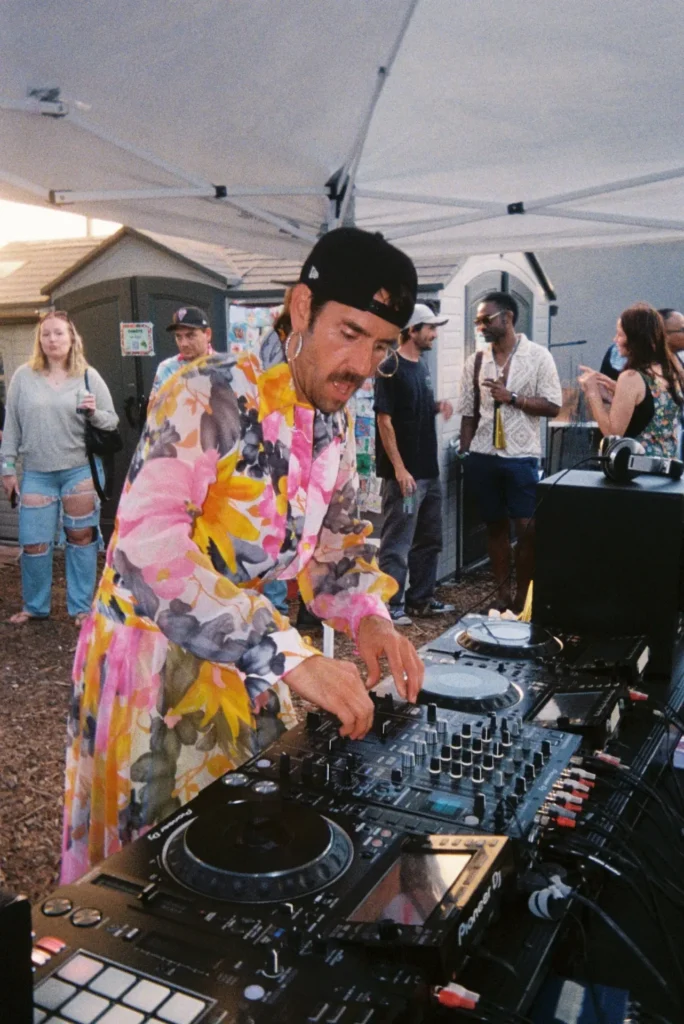
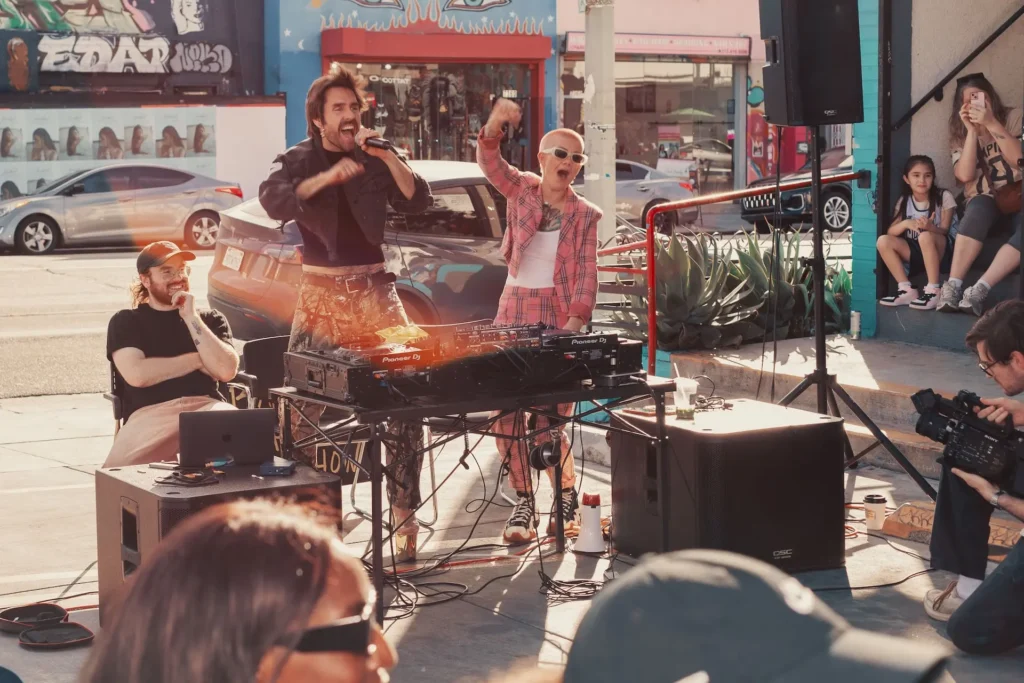
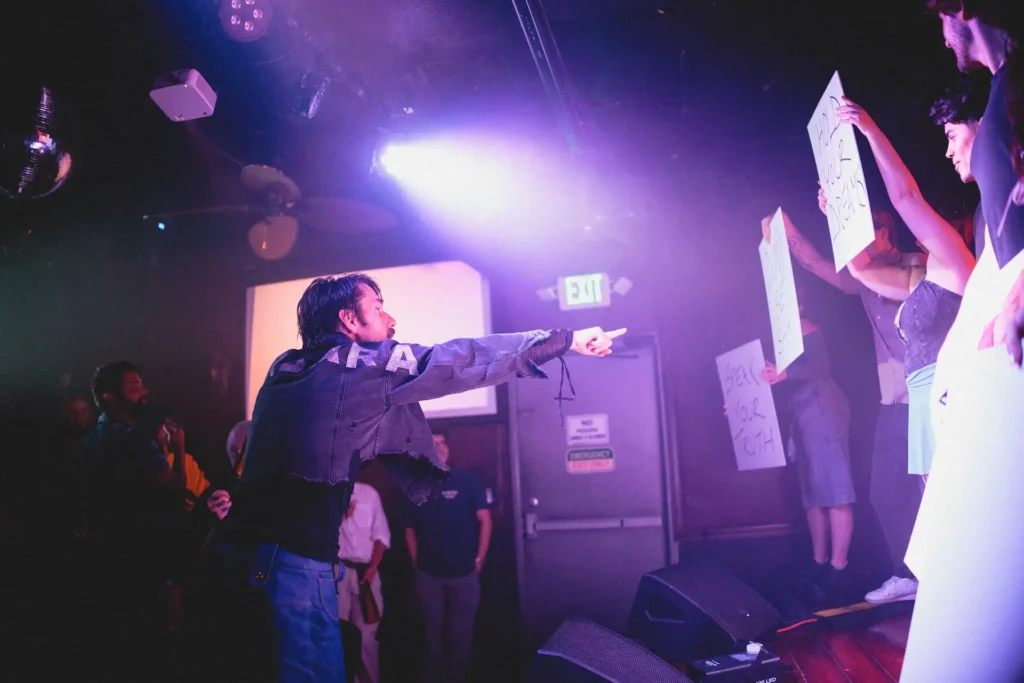
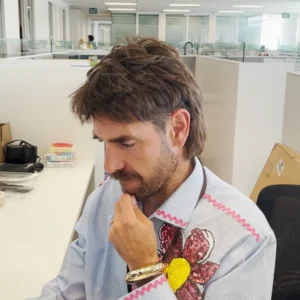
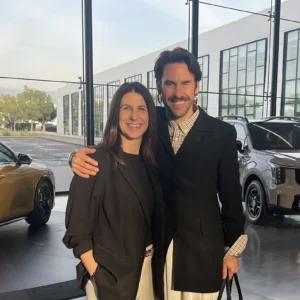
House & electronic creator and DJ, Barbara has grown a reputation for their eccentric live shows.
Series
Barbara Funks — YouTube series showing the whacky behind the scenes world of A Boy Named Barbara.
Coming Soon →



The Moment
The
Moment
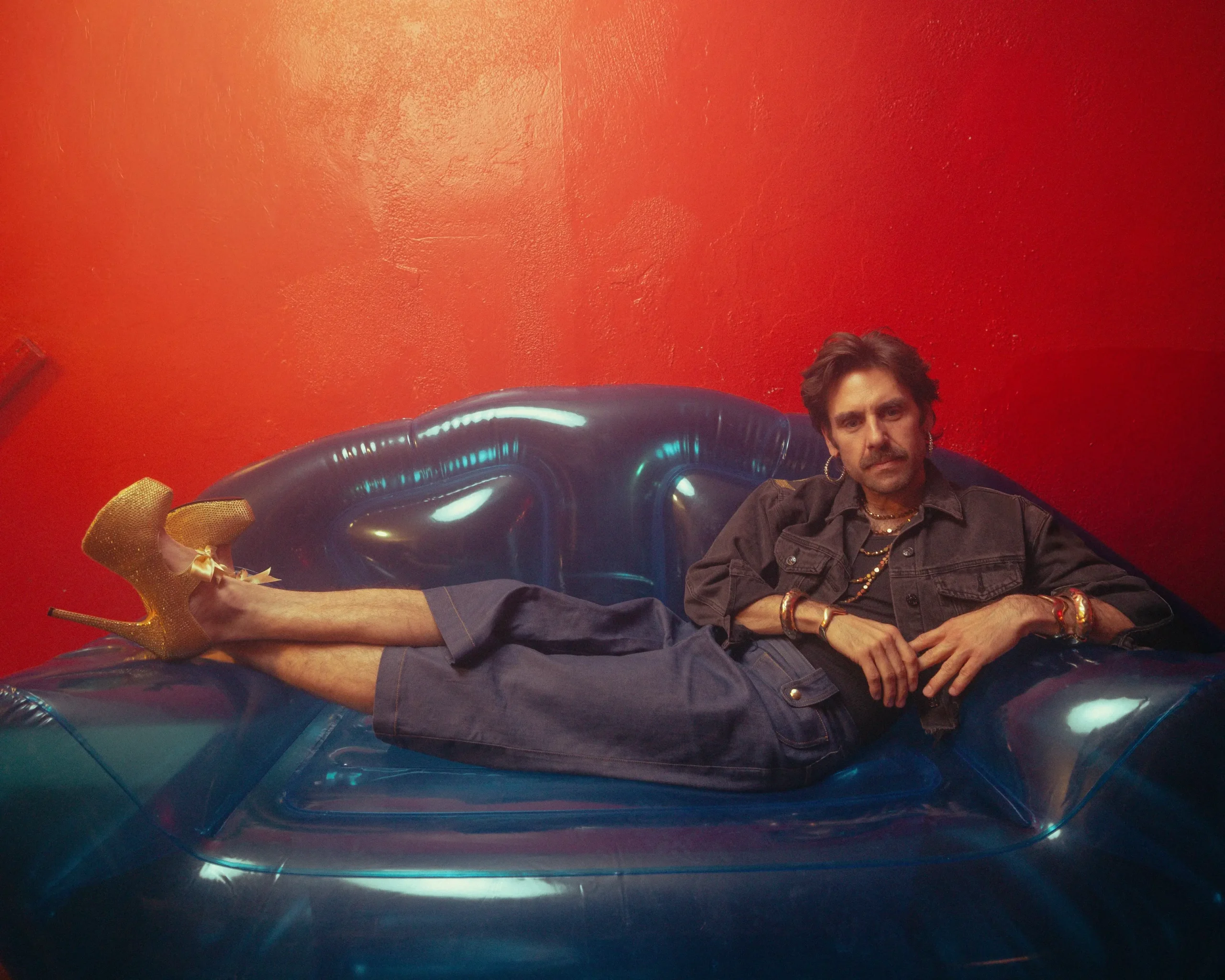
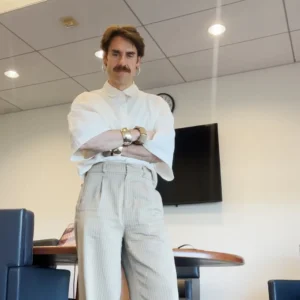
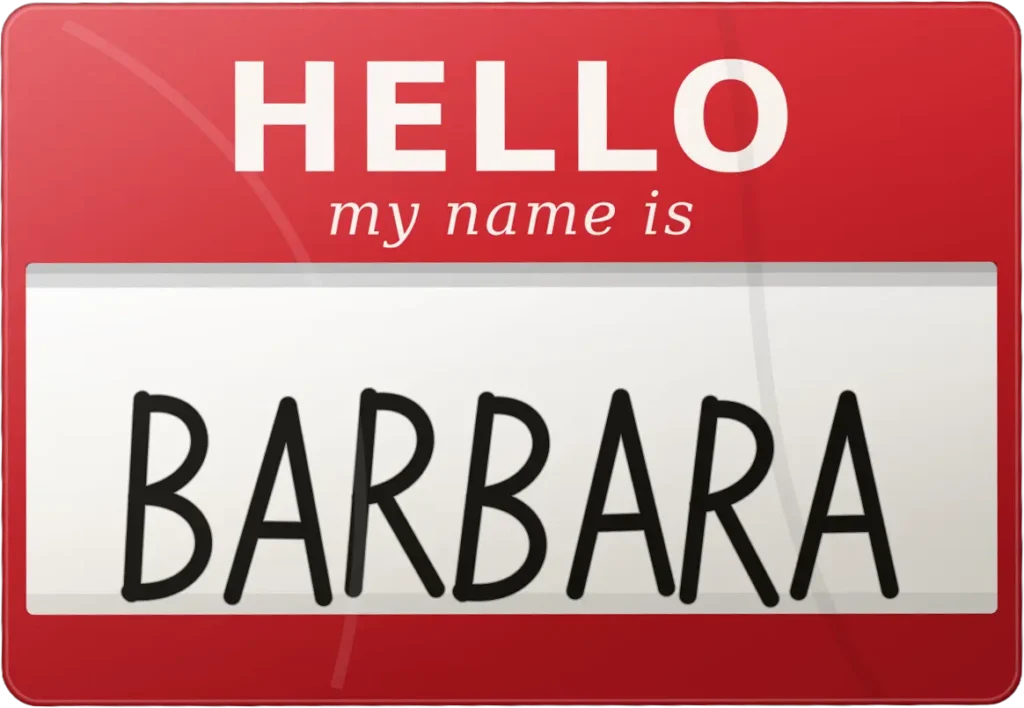
The first time Barbara attended a major client event fully expressed as Barbara, they walked into a room of accomplished male executives wearing gold heels. The name tag said BARBARA.
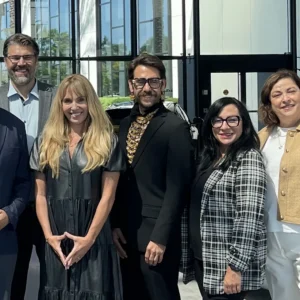
Three senior executives who already knew them looked up. Instead of the handshake Barbara had braced for, they crossed the room and hugged.
The thing Barbara had spent years believing would cost them their credibility opened deeper conversations, more trust, bolder ideas, and an entirely new chapter of their career.
What Barbara talks about
Topics
Questions your host can ask cold
Three areas, each built for a different kind of show. The questions below are written to be read as-is.
Business & Leadership
The Boardroom in Gold Heels
Why visible authenticity accelerated an executive career instead of ending it.
- You were convinced that showing up as yourself would cost you professionally. What did you actually think was going to happen?
- What changed in your working relationships once you stopped managing perception?
- What would you say to someone who’s certain their industry is the exception?
The Business Case for Being Different
What personal transformation teaches leaders who are trying to transform organizations.
- You advise companies on reinvention. How is that different from what you did to your own life — and how is it the same?
- Why do most corporate transformations fail, in your read?
- What do you now notice in a client meeting that you couldn’t see before?
One Person in All Spaces and Places
The cost of maintaining separate professional and personal identities — and what becomes available when you stop.
- How much energy was the separation actually consuming?
- What’s the first thing a leader can drop without blowing anything up?
- Where’s the line between bringing your whole self to work and oversharing at work?
Transformation & Self-Development
“If You Only Knew, You Would…”
How much of a life gets built around reactions that never actually happen.
- You lived under one unfinished sentence for years. What was it, and how did it run your decisions?
- When you finally tested it, what did reality turn out to be?
- Some people did leave. How do you hold that honestly without turning it into a warning?
The Want Pyramid
Why “what do I want more?” is a more useful question than “what should I do?”
- Walk me through the Want Pyramid — what’s at the bottom and what’s at the top?
- What do you tell someone who genuinely doesn’t know what they want anymore?
- How do you tell the difference between a want and an impulse?
Transformation Requires Margin
Barbara didn’t find eight extra hours. They changed what filled the hours they already had.
- What did you actually stop doing — and which one was hardest to give up?
- You say you become what you listen to. What does that mean in practice on a Tuesday morning?
- How do you know whether you’ve made enough quiet to hear what you want?
Coming Out to Yourself
What a specifically queer experience taught Barbara about a universal process of becoming visible.
- Your first coming out happened inside a marriage. What do you understand about that now that you couldn’t then?
- You’ve said everyone has something they’re waiting to make visible. What kinds of things?
- Why does the first audience have to be yourself?
Creativity & the Creator Economy
Stop Waiting for Your Passion to Pay Your Salary
Why Barbara stopped requiring music to replace corporate income before calling themselves an artist.
- What were you actually waiting for — and what would have counted as permission?
- What changed the day you stopped waiting?
- Is there a version of this that’s just avoidance dressed up as patience?
The Power of AND
Whether the modern creative life still requires choosing between serious professional and serious artist.
- Which parts of the executive job make you a better artist, and vice versa?
- What does a normal week actually look like?
- Where does the AND break down — what have you had to give up?
Thirty Artists, One Album
Why Barbara treats music-making as collective invocation rather than solitary authorship.
- You’ve made records with more than thirty independent artists. How does that change what a song becomes?
- You describe the studio as a place of invocation. What are you actually doing in the room?
- How do you find the soul of a song with people you’ve just met?
The Audience Is the Show
What dance floors teach us about temporary community and collective energy.
- What’s the difference between an audience watching a DJ and an audience that becomes the show?
- The thing a room makes together disappears when the lights come up. Why chase something that doesn’t last?
- What can a room full of strangers do that a room of friends can’t?
Also Fair Game:
Barbara Funks
Playing with life instead of winning it
Coming out inside a marriage
Leaving Minnesota
The 7-Eleven parking lot runway
Making music in a creek
The community garden dance party
Thirty collaborators
Sacrificing San Francisco
Landing in LA weeks before COVID
Changing their name everywhere
The name tag that said BARBARA
Grandmother’s gold heels
The turkey baster microphone
Quitting the news cycle
Giving up TV
Stepping away from social drinking
Where the margins went
One person in all spaces and places
Advising companies on reinvention
What “want” actually means
Barbara in Conversation
Long-form conversation is where these ideas actually land. Here’s Barbara working through them out loud.
REady To Read
Bios & Intro
Copy And Paste Starting Points
Intro — read aloud · 45 words

Barbara is an Executive Director of Business Innovation who also happens to be a house music DJ and performer known as A Boy Named Barbara. After years of keeping those two lives separate, they stopped — and found that showing up fully didn’t cost them their career. It accelerated it.
Show notes — 160 words
Barbara is an Executive Director of Business Innovation, music artist, DJ, performer and creator exploring one central idea: life is more malleable than we’ve been taught to believe.
After years of dividing their corporate, creative and personal identities, Barbara began an experiment in becoming one person in all spaces and places. Instead of destroying their executive career, radical self-expression accelerated it.
Today Barbara leads business innovation while creating house music as A Boy Named Barbara, documenting the adventure through the YouTube series Barbara Funks, and preparing to release the autobiographical album Oh Yes I Did It.
Through frameworks including the Want Pyramid, remodeling your life, and coming out to yourself, Barbara offers a practical and deeply personal conversation about what becomes possible when we stop building our lives around the fear of what might happen and start living in relationship with what we actually want.
The line to close on
Come out to yourself first. Remodel from there. Live to the beat of your want, not the illusion of your fears.
The Details
Logistics
Everything Your Team needs to know to start working With barbara
name
Barbara — artist name A Boy Named Barbara
Pronouns
He / They / She
Pronunciation
bar-BAR-uh
Based in
Los Angeles, CA — Pacific Time
Format
Video or audio · in-studio in LA or Remote · 45–90 minutes
Remote Setup
Broadcast microphone, HD camera, treated room, wired connection
Press assets
Links
Music
Book Now
Booking
Management
Live Authentically
Barbara isn’t coming on to tell your audience to quit their jobs.
The proposition is more interesting than that: you may not need a different life. You may need a more honest relationship with the one you already have — and with the wants you’ve spent years learning to ignore.